- Get Involved
- BBYO Near You
- Summer Experiences
-
International Convention
International Convention
-
AZA & BBG Movement
AZA & BBG Movement
- About BBYO
Opinion
Parshat Re’eh

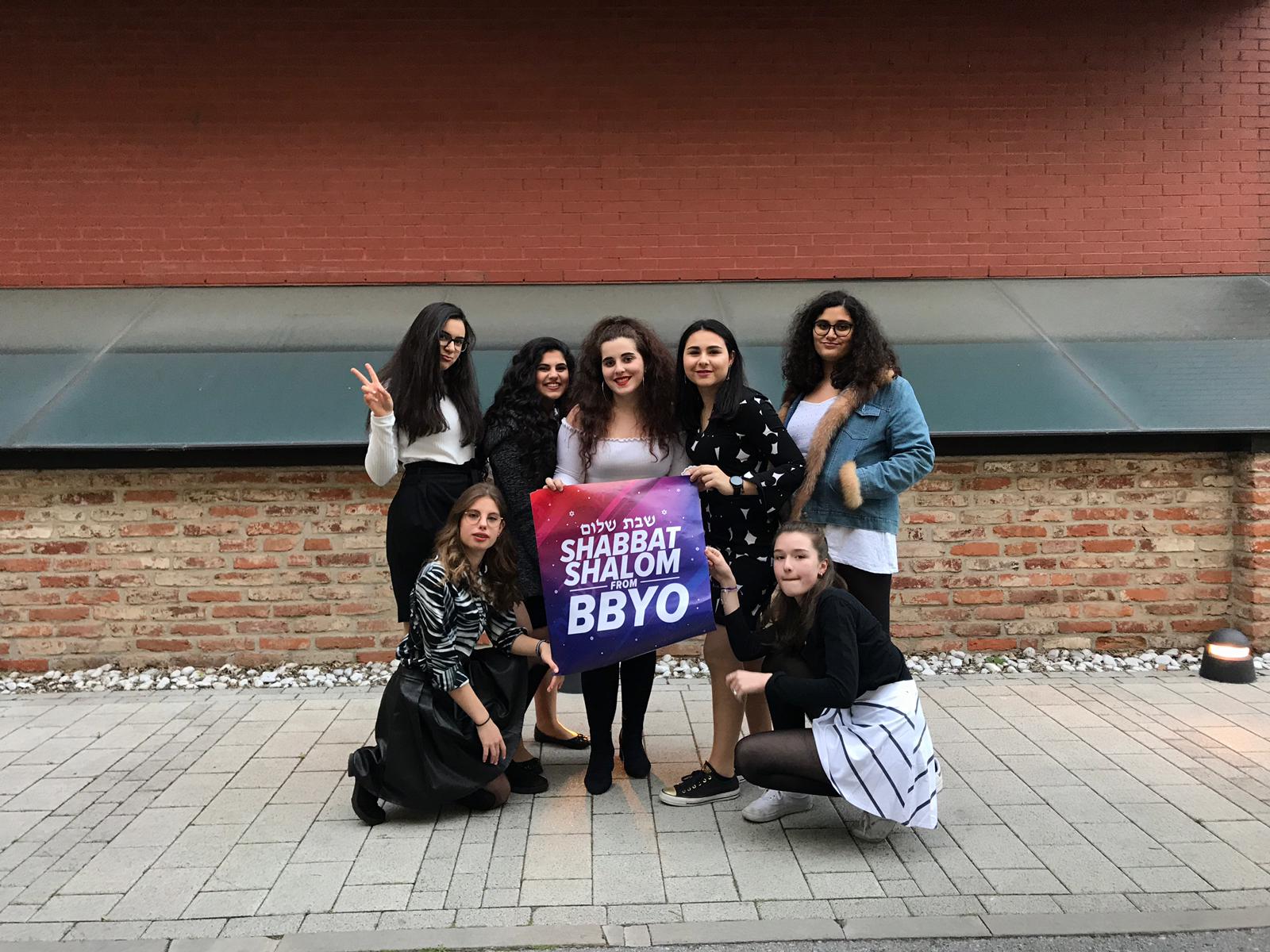
“You shall not eat anything abhorrent” is the verse in this week’s Parsha, Parshat Re’eh, that introduces the laws of Kashrut. This verse and the ones that follow gives the rules and restrictions about which foods are allowed to be consumed and which foods are not allowed. There is a reason why we are provided with a list of kosher and not kosher animals and foods in our tradition—it is to keep our souls and bodies clean from “abhorrent” substances entering our body. Our tradition teaches us to behave wisely, to renounce the use of influential substances, and, as stated here, to follow a healthy and pure diet.
As much as it is vital to follow and respect the rules that are given to us, we still need to evaluate and rethink what this actually means for us. We might be taught to behave and eat well, nevertheless, we are also taught to practice critical thinking and to question the rules we are meant to follow. We feel that this specific verse has great repercussions and relevance in today’s society. Just like forbidden foods are seen as “abhorrent” to the Jewish culture, this might describe other objects in different contexts, as well.
Perhaps we could say that just as the Jewish people know of the existence and the forbidden nature of specific foods, others might wrongfully apply the same judgement to ethnic groups, based on what they are taught within their social environment. People are often intrinsically taught to fear what does not resemble them, to fear the “stranger.” That fear of the “stranger” is what leads to and fuels discrimination around the world—a cause which our Movement stands up for specifically. In fact, BBYO teaches leaders and gamechangers around the entire globe to always practice critical thinking and stand up to inequalities and discrimination of any kind.
Just as Judaism preaches an attitude of critical thinking and does not want to us to just accept things the way they are, so too may we find the inner strength and courage to question prevailing societal norms and stereotypes.
Shabbat Shalom,
BBYO Austria, Rachel Yaprak and Alix Gilkarov
All views expressed on content written for The Shofar represent the opinions and thoughts of the individual authors. The author biography represents the author at the time in which they were in BBYO.
Explore More Stories
Identity

Always AZA
This poem is dedicated to Andrew Sober, an Aleph from Baltimore Council, and for every Aleph whose memory continues to live on through our Brotherhood.
Identity

Dear BBYO, Thank You for a Lifetime of Memories
My senior life. The experiences and people who shaped my BBYO experience, whom I will take with me long after BBYO.
Connection
Parshat Behar-Bechukotai: Does BBYO Follow Commandments From G-d?
In the double portion of Behar-Bechukotai, God gave Moses commandments. Does BBYO fit into those commandments?