- Get Involved
- BBYO Near You
- Summer Experiences
-
International Convention
International Convention
-
AZA & BBG Movement
AZA & BBG Movement
- About BBYO
Opinion
What Did Sephardic Jews Wear Back in the Ottoman Empire?

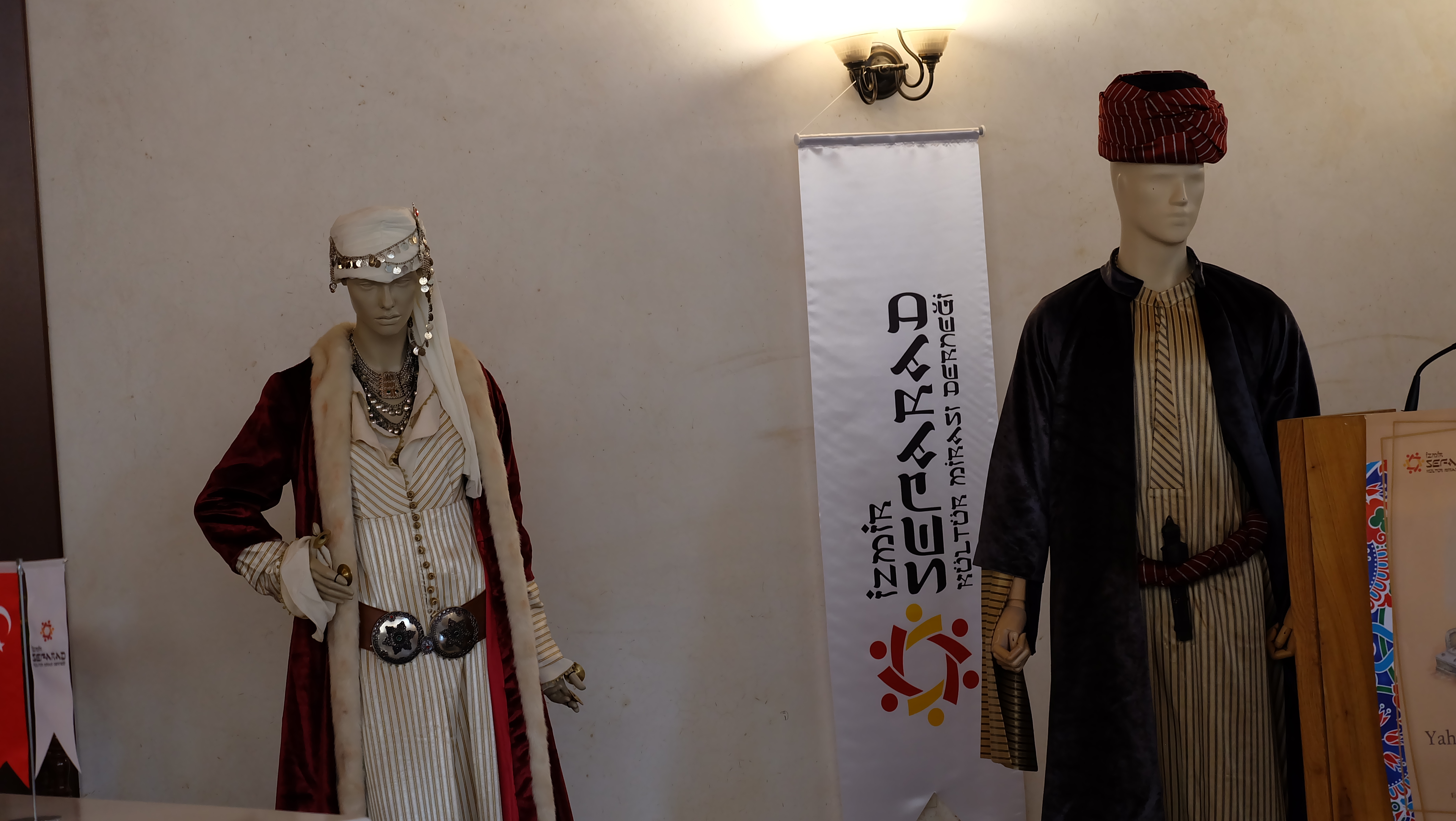
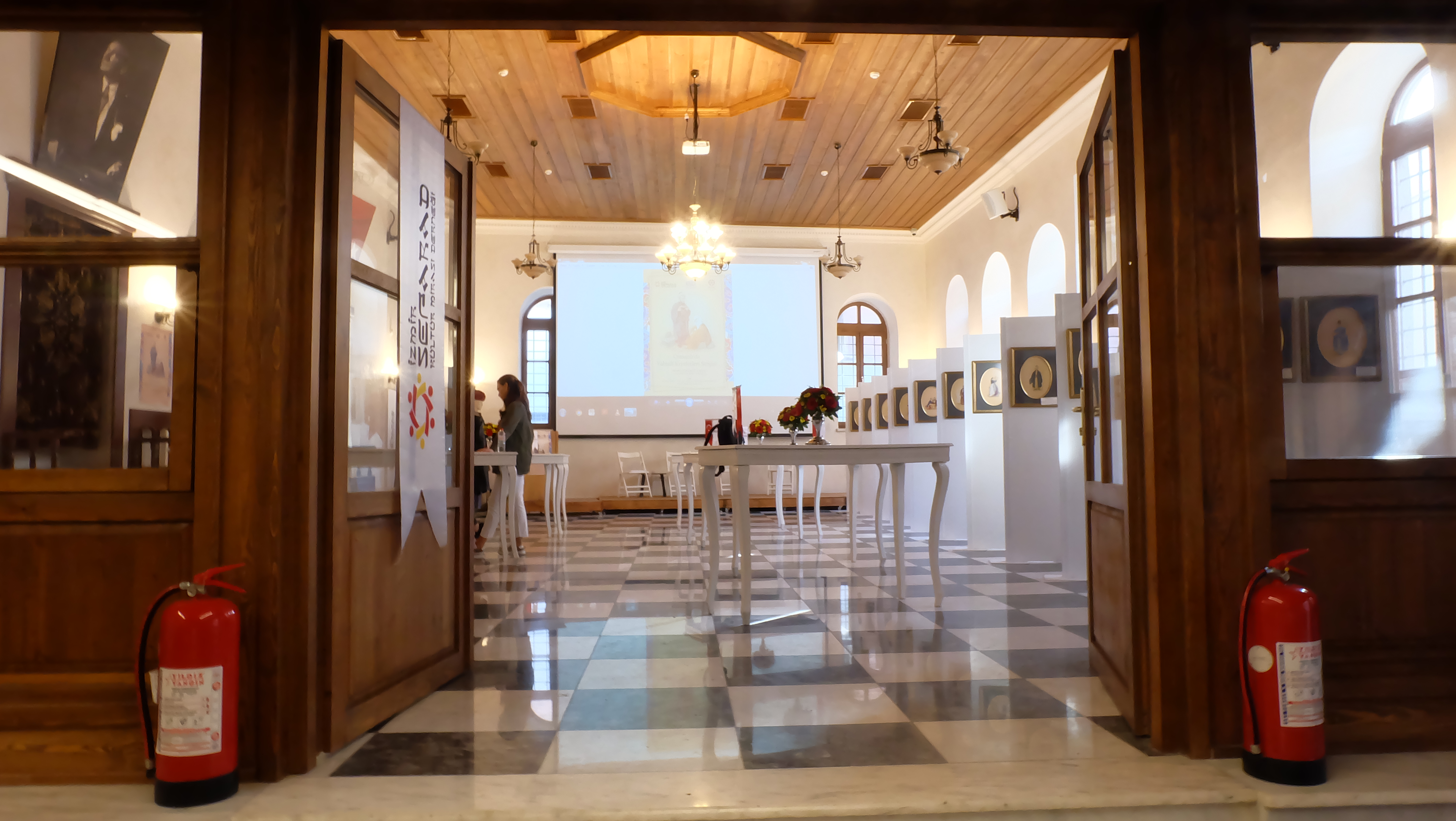
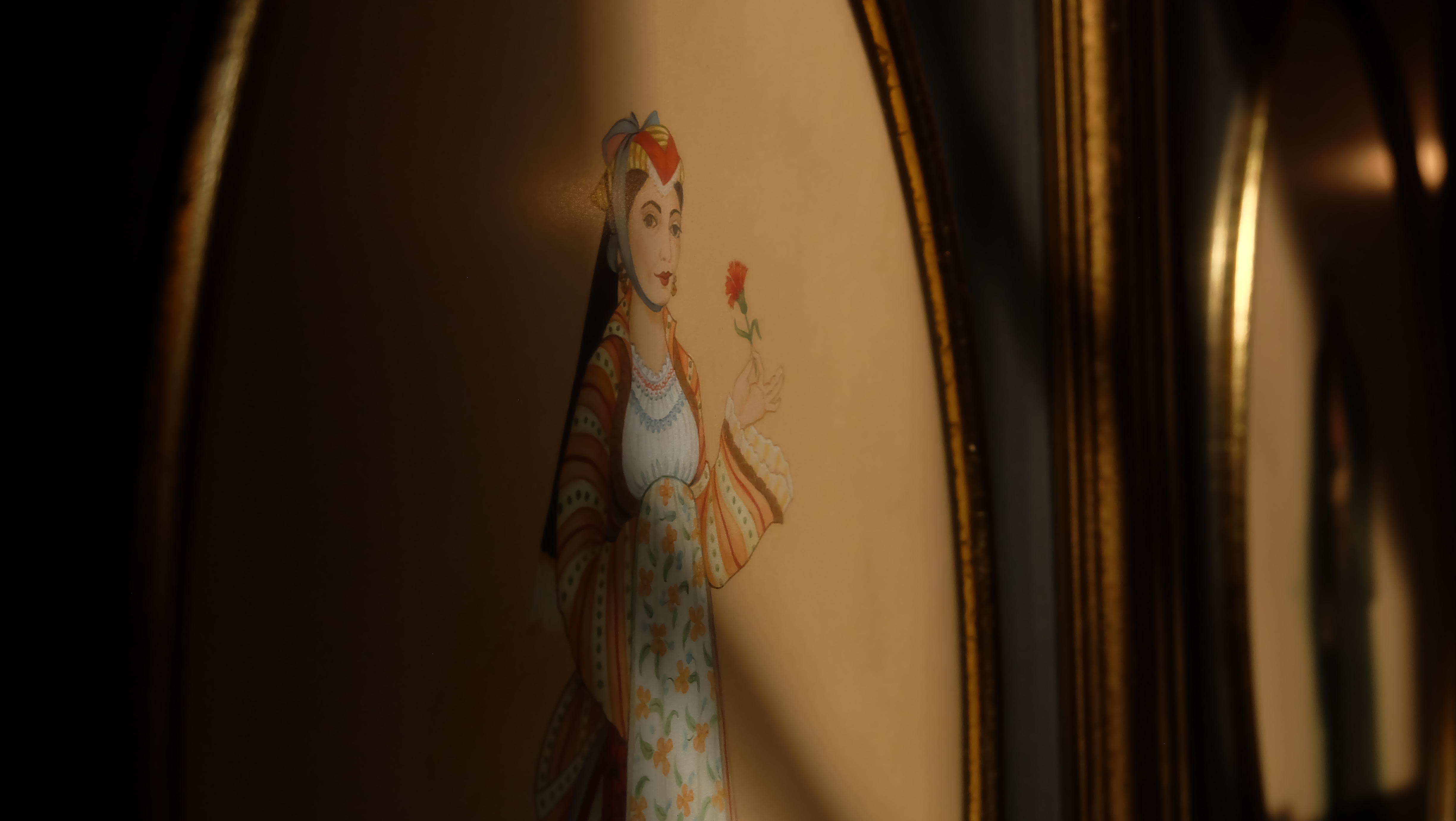
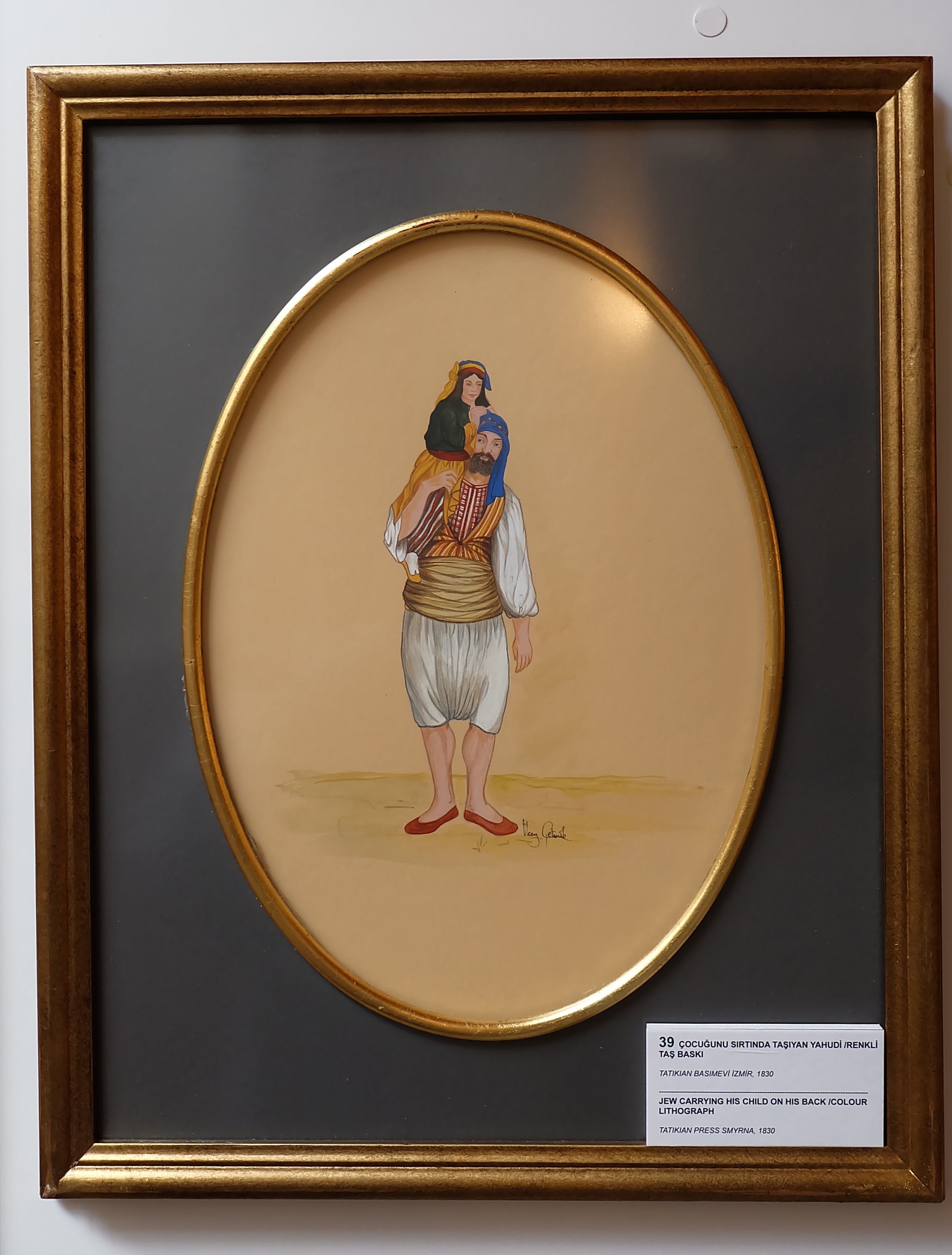
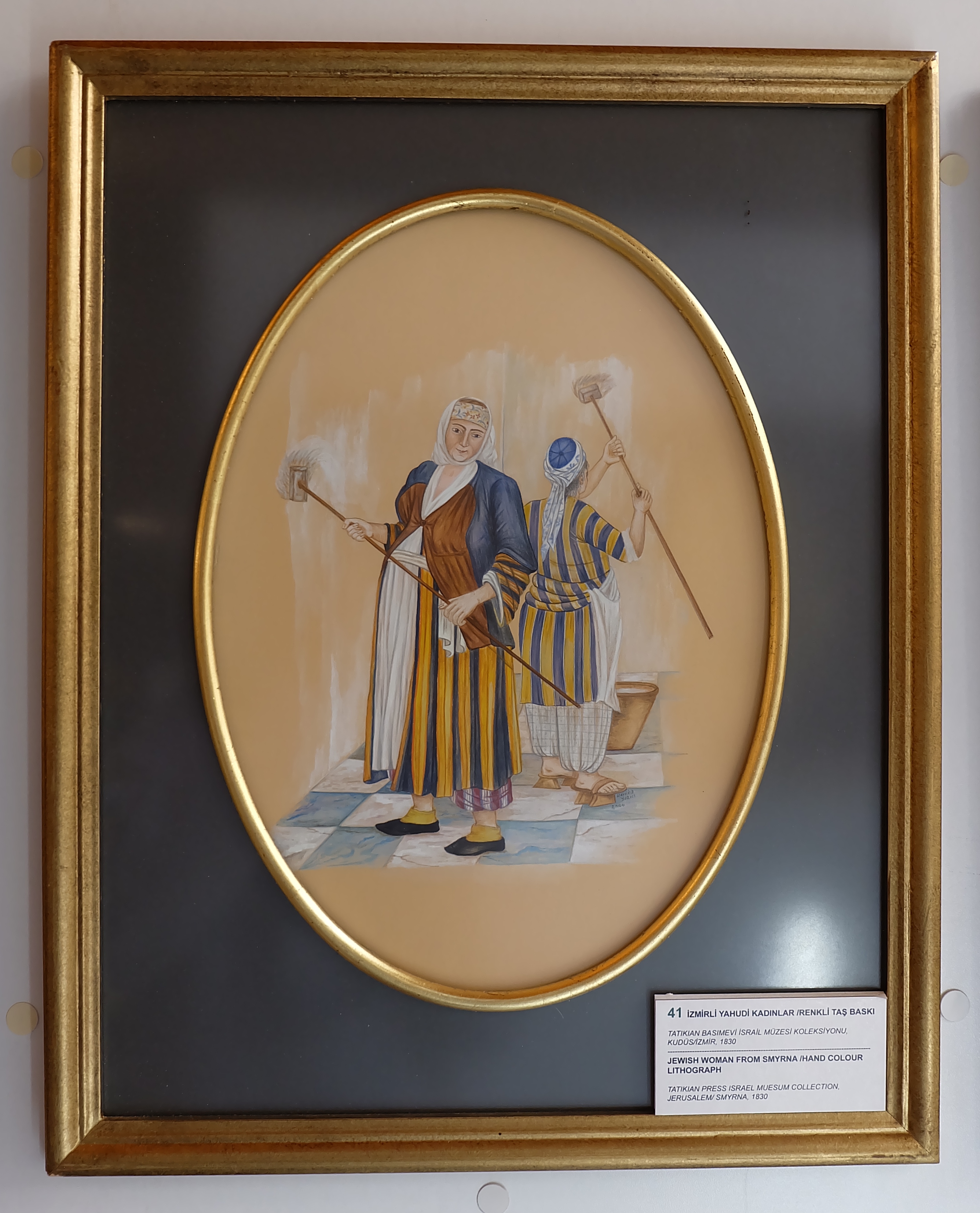
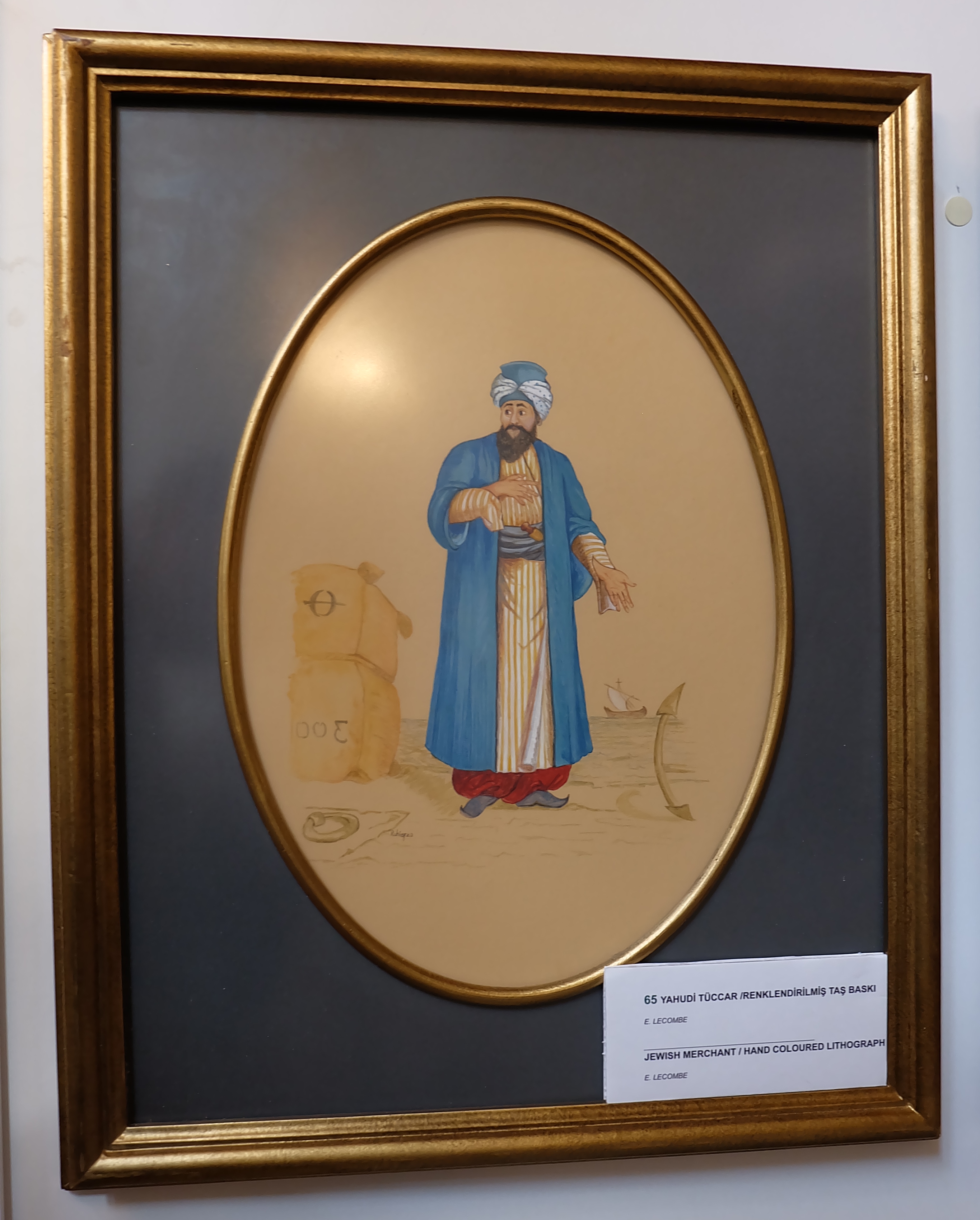
Since the day I was born, I have always searched for new opportunities to learn about my past. Just a few days ago, I decided to visit an exhibition about the Clothes Sephardi Jews wore during the Ottoman period.
My Sephardi community has resided in Izmir for a very long time, which in turn has created a rich cultural heritage. Moris Saul, Chairman of the Izmir Sephardic Cultural Heritage Association, said that the Jewish community in Izmir derives from the Sephardi Jews who immigrated from Spain and Portugal to Izmir (Smyrna) during the Ottoman Empire era in the early 15th century. The Jews helped develop commercial activities in Izmir, a significant port city for the Aegean and Mediterranean regions. They were trusted and lived peacefully in Izmir for many years.
In addition to the declaration of their hard work and cultural preservation, Moris Saul added the following: “Our cultural values include historical synagogues and religious practices; There are also Sephardic songs, Sephardic cuisine and ‘Ladino’ language, which is still used to this day but is slowly being forgotten. This language is now mostly used by the elderly. Young Jews like me only know specific words - especially foods because of our grandma. Moreover, Ladino is a mixture of old Turkish and old Spanish.
We are delighted to be hosting the exhibition of Silvio Ovadya, he curated this display which is inspired by the period of time between 1400-1900. This is within a period of time where many Jews lived in the Ottoman Empire. The Izmir Sephardic Cultural Heritage Association recognizes the importance of recognizing this part of our history and has states that “we will continue our activities and projects aimed at preserving the culture as well as our cultural heritage.”
Furthermore, Jak Eskinazi, Aegean Exporters Associations Coordinator said that the Jews have lived in Izmir for more than 500 centuries, and it has left a perpetual trace on the overall establishment of Izmir. He also stated that it was very timely to introduce this exhibition (previously opened in New York and Istanbul) in Izmir considering the city’s radical social transformation in the last few decades.
Lastly, I think that the outfits which are exhibited in the gallery are quite nostalgic and intriguing. The fashion style followed a more modernized and stylistic path during the last four centuries. Yet, unlike casual Ottoman clothes, traditional Jewish clothes look more suitable and stylish.
All views expressed on content written for The Shofar represent the opinions and thoughts of the individual authors. The author biography represents the author at the time in which they were in BBYO.
Explore More Stories
Identity

Always AZA
This poem is dedicated to Andrew Sober, an Aleph from Baltimore Council, and for every Aleph whose memory continues to live on through our Brotherhood.
Identity

Dear BBYO, Thank You for a Lifetime of Memories
My senior life. The experiences and people who shaped my BBYO experience, whom I will take with me long after BBYO.
Connection

Parshat Behar-Bechukotai: Does BBYO Follow Commandments From G-d?
In the double portion of Behar-Bechukotai, God gave Moses commandments. Does BBYO fit into those commandments?